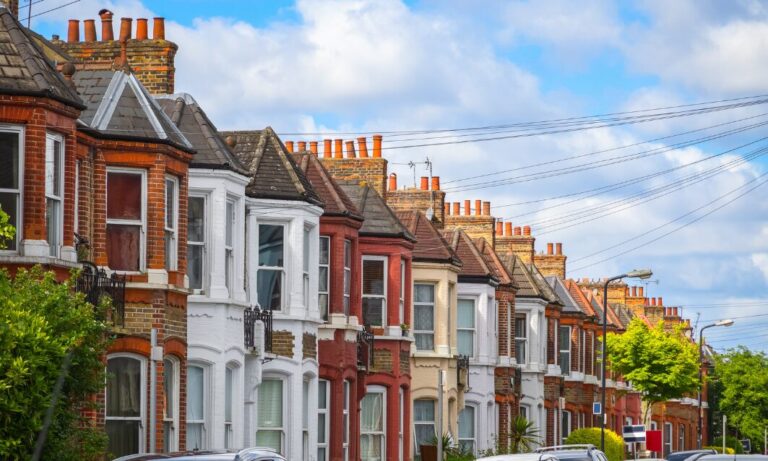
Woolton has long been one of South Liverpool’s most desirable postcodes, known for its village atmosphere, excellent schools, and strong sense of community. But if you’re a homeowner in this charming suburb or an investor eyeing opportunities in the area, there’s compelling news on the horizon. Liverpool City Region’s ambitious £1.6 billion transport investment is set to transform connectivity across the region, and Woolton stands to benefit significantly. With major upgrades planned for nearby Hunts Cross station and new rapid transit links connecting South Liverpool to the city centre and beyond, Woolton property prices in 2026 could see substantial growth. Let’s explore exactly how these infrastructure improvements will impact property values in this sought-after neighbourhood.
Explore opportunities in Woolton today – browse available properties now.
Understanding Liverpool’s £1.6 billion transport investment
The Liverpool City Region Combined Authority has committed to one of the most significant transport infrastructure programmes in the North West. This £1.6 billion investment isn’t simply about maintaining existing services—it represents a fundamental reimagining of how residents and workers move around the region. The funding package includes improvements to the Merseyrail network, enhanced bus services, new cycling infrastructure, and, crucially for Woolton residents, substantial upgrades to key transport hubs in South Liverpool.
For areas like Woolton, which sit just beyond the immediate city centre but remain well-connected, these improvements create a perfect storm for property value appreciation. Better transport links historically drive demand for residential property, as commuters seek homes that offer both quality of life and convenient access to employment centres. Woolton already delivers on the former; the transport upgrades will significantly enhance the latter.
The Hunts Cross station transformation
What’s changing at Hunts Cross
Hunts Cross station, located approximately two miles from Woolton village centre, is receiving a comprehensive upgrade as part of the wider investment programme. The improvements include platform extensions to accommodate longer trains, enhanced accessibility features, improved passenger facilities, and better integration with bus services. For Woolton residents who already use Hunts Cross as their primary rail link to Liverpool city centre and the wider Merseyrail network, these changes mean more reliable, comfortable, and frequent services.
The station serves the Northern Line of the Merseyrail network, providing direct connections to Liverpool Central in under 20 minutes. With the planned improvements, capacity will increase significantly, reducing overcrowding during peak hours—a common complaint among current commuters. The enhanced interchange facilities will also make it easier for Woolton residents to connect with bus services, creating a seamless public transport experience.
How improved connectivity affects property demand
Transport connectivity consistently ranks among the top five factors influencing property prices across the UK. When a location becomes easier to reach, particularly for daily commuting, it attracts a broader pool of potential buyers. Woolton already appeals to families seeking excellent schools like St Julie’s Catholic High School and Woolton High School, as well as professionals who appreciate the area’s period properties and village amenities along Allerton Road and Woolton Street.
The Hunts Cross upgrades will make Woolton even more attractive to Liverpool city centre workers who previously might have considered only areas with direct city centre access. This expanded buyer pool naturally creates upward pressure on Woolton property prices in 2026 and beyond, as demand increases while the supply of characterful Victorian and Edwardian homes remains limited.
Rapid transit links and the wider network effect
Beyond Hunts Cross, the £1.6 billion investment includes plans for rapid transit routes that will improve connectivity across South Liverpool. These routes are designed to provide frequent, reliable services connecting residential areas with major employment centres, retail destinations, and transport hubs. For Woolton, this means improved bus services along key routes and better connections to Liverpool John Lennon Airport, the Liverpool Innovation Park, and the expanding commercial districts around Speke and Garston.
The network effect of these improvements cannot be overstated. When multiple transport modes receive investment simultaneously, the cumulative impact on an area’s desirability far exceeds the sum of individual upgrades. Woolton residents will benefit from a genuinely integrated transport system, where switching between bus, train, and potentially future active travel routes becomes straightforward and efficient.
Woolton’s property market fundamentals
Current market positioning
Woolton’s property market has remained resilient even during periods of broader economic uncertainty. The area’s mix of substantial family homes, particularly around Woolton Hill and towards Gateacre, combined with more accessible terraced properties closer to Allerton, provides options across various price points. Average property prices in Woolton currently sit above the Liverpool average, reflecting the premium buyers place on the area’s schools, green spaces like Woolton Woods and Reynolds Park, and village atmosphere.
Recent sales data show steady appreciation, with family homes experiencing particularly strong demand. The area’s reputation as a safe, community-focused neighbourhood with excellent local amenities—from the independent shops along Woolton Street to the historic Woolton Picture House—ensures consistent interest from buyers prioritising quality of life.
Investment potential through 2026
Looking ahead, several factors suggest Woolton property prices will experience above-average growth. The transport improvements form the foundation, but they’re complemented by Woolton’s existing strengths. The neighbourhood isn’t experiencing the kind of overdevelopment that can dilute an area’s character; instead, it maintains its distinctive identity while benefiting from improved connectivity.
For investors, this presents an opportunity to acquire property in an established, desirable area before the full impact of transport improvements becomes reflected in prices. Historically, property markets respond to infrastructure announcements gradually, with the most significant price movements occurring as completion dates approach and improvements become operational. Savvy investors recognising this pattern are already showing increased interest in Woolton properties.
What this means for current Woolton homeowners
If you already own property in Woolton, the transport investment represents excellent news for your asset value. Beyond simple price appreciation, the improvements enhance your quality of life—shorter commutes, reduced reliance on private vehicles, and better connections to amenities across Liverpool City Region. These lifestyle benefits make Woolton an even more compelling place to live long-term, which in turn supports sustained property value growth.
Current homeowners might also consider how these changes affect their property’s specific appeal. Homes within comfortable walking or cycling distance of Hunts Cross station may see particularly strong value increases. Similarly, properties along improved bus routes or near planned rapid transit stops could become more desirable to future buyers.
Positioning yourself in Woolton’s evolving market
Whether you’re considering selling your Woolton property, investing in the area, or simply curious about how these developments affect your home’s value, understanding the relationship between transport infrastructure and property prices provides valuable insight. The £1.6 billion investment isn’t a distant possibility—it’s an active programme with defined timelines and committed funding.
For prospective buyers, acting before the improvements are fully operational could provide an entry point ahead of peak price growth. For sellers, understanding how to position your property in the context of these improvements can help achieve optimal returns. And for investors, Woolton offers the attractive combination of established desirability and clear catalysts for future appreciation.
Curious about your property’s value? Book a free valuation with our local experts today.
Conclusion
Liverpool’s £1.6 billion transport investment represents a transformative moment for South Liverpool, and Woolton is exceptionally well-positioned to benefit. The combination of Hunts Cross station upgrades, new rapid transit links, and improved network connectivity will make this already desirable neighbourhood even more accessible and attractive. As we approach 2026, Woolton property prices are likely to reflect these improvements, rewarding those who recognise the area’s investment potential.
The fundamentals that have long made Woolton special—excellent schools, characterful homes, village amenities, and strong community spirit—remain unchanged. The transport improvements simply make these qualities accessible to a wider audience, expanding the pool of potential buyers and supporting sustained property value growth.
If you’re considering buying, selling, or investing in Woolton property, now is the time to act. Contact Whitegates Woolton today to discuss how these transport improvements affect your specific property goals. Our local expertise and understanding of South Liverpool’s evolving market position us perfectly to help you make informed decisions and achieve the best possible outcomes. Whether you’re curious about your current home’s value or exploring investment opportunities ahead of the 2026 improvements, our team is ready to provide the insight and support you need.