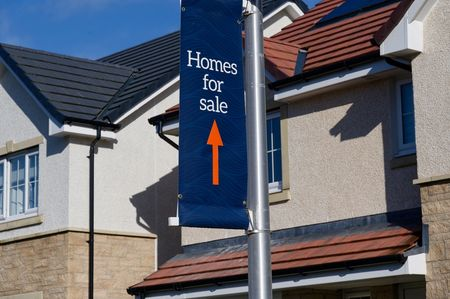
Summer often slows property searches down. Holidays, long evenings, and the school break pull attention elsewhere. When September arrives, the pace can pick up again. For anyone selling a house in September, that shift opens a window worth planning for with care.
The September property market looks more measured this year. Buyer demand appears to have eased, while more homeowners seem to be selling up. Timing still helps. Price and presentation, though, now carry more of the load. A launch that gets both right has a better chance of catching buyers’ attention.
Related: Pros and cons of holding an open house
Why buyers come back once the holidays are over
House hunting tends to follow the rhythm of family life. Three groups can help drive the September lift, and each brings a different motivation to your viewings. Knowing which group a buyer belongs to also helps you judge how serious their interest is likely to be.
Families settle back into their routines
Once children are back at school, parents often have more headspace for big decisions. Weekend viewings get easier to plan. Some families have a bigger home in mind and use the new term to start looking. Their searches are usually focused, with needs around bedrooms, space, and catchment areas.
Christmas gives movers a clear deadline
Many buyers hope to be settled before Christmas. A buyer with a fixed moving goal may view sooner, decide faster, and stay committed through the legal stages. Conveyancing still takes a while, so an early September launch gives the chain time to complete.
Holiday browsers turn into serious buyers
Lots of people scroll through listings on holiday without acting. By September, some of those casual browsers have made up their minds. Many come back with a mortgage agreement in principle, a budget, and a shortlist of streets. That shift can bring stronger enquiries to your door.
How buyers behave when they have more choice
A smaller pool of active buyers can change what happens once viewings begin. People look harder, ask more questions, and take longer to commit. Knowing what they look for helps you get your home ready before the first listing photos are taken.
Buyers view more homes before making an offer
With plenty of choice, many buyers view several homes first. Second viewings are often longer and more critical, so stay viewing-ready all week. Cautious buyers may use survey findings to push the price down. Small repairs, like a slipped roof slate or sticking window, can remove that bargaining point.
Your first fortnight online carries the most weight
New listings tend to get the most attention in their first couple of weeks. Alerts show buyers fresh homes first. A launch with cluttered rooms or unfinished jobs can waste those early weeks. Relaunching later can help, though it might not match the interest a strong start brings.
Two streets apart can mean two different markets
Conditions can change from one postcode to the next. A semi near a popular school might draw quick interest, while the same style of home by a busy junction waits longer. Even neighbouring roads can move at a different speed, depending on parking, transport, and outlook.
Related: What does offer in excess of mean? OIEO vs OIRO explained
How to plan a focused September launch
A strong launch comes from practical jobs done before your home goes live. Each one can remove a reason for buyers to hesitate. Most are small, and many can be finished over a weekend or two once your valuation is booked.
Get ready for shorter days
Daylight fades earlier as September goes on. That changes how your home looks in photos and at evening viewings. A few quick jobs can help buyers see the best version of your property, both from the pavement and once they step through the front door.
First impressions from outside
Book your exterior photos for a bright morning, ideally before the trees start to drop their leaves. Clear paths and gutters, then give the garden one last mow and a quick trim of the hedges. Check the outdoor lights too. Working bulbs by the door can make an early evening viewing feel safer and more welcoming.
Warmth once buyers step inside
Put the heating on low an hour before viewings, as cold rooms can put people off. Add lamps to dark corners, and keep the hallway clear, with coats and shoes tucked away. Wipe windows and air rooms daily to keep condensation down. Damp can be a worry for buyers looking at older stone cottages and terraces.
Have your paperwork ready before you go live
Hold-ups often appear after an offer is accepted, once solicitors start asking questions. A missing certificate may add weeks while a copy is tracked down. Gathering documents early helps keep the sale moving, so start pulling them together while your photos are being booked.
A valid Energy Performance Certificate (EPC) must be in place, or commissioned, before your home is marketed. You’ll also need proof of identity and your mortgage account details, along with certificates and guarantees for work such as new windows, electrical rewiring, or a replacement boiler. Ask your solicitor or conveyancer for the Property Information Form (TA6) early, and complete it before offers arrive. For leasehold homes, add the lease itself plus recent service charge and ground rent statements.
Related: How long is an EPC valid for?
Write a listing that answers questions up front
Buyers tend to decide quickly whether to click. A clear floorplan, honest room sizes, and the council tax band can save them a phone call. Mention the things locals value, such as the walk to the station, the nearest good primary, or off-street parking on a tight terraced row.
Why your valuation should come first
Every job above leads back to one number. Your asking price shapes who views, how quickly offers come in, and how firmly you can negotiate. A figure that feels right to you may not match what buyers in your area are willing to pay this month.
Price for the market as it stands now
An asking price that worked earlier in the year may already be out of step. Set it too high, and the home can go stale online. Set it too low, and you may accept less than buyers would pay. Neither mistake is easy to undo once the listing is live.
Related: Pricing your home to sell: Why the first figure matters most
Online estimates only tell part of the story
Automated tools use past sales data and broad averages. They cannot see your new kitchen, your loft conversion, or the busy road behind the house. They also miss features buyers may pay extra for, such as a south-facing garden. A local agent can fill those gaps in person.
What a local valuation gives you
At Whitegates, valuations draw on recent sales near you. We also look at homes competing for the same buyers and the demand our branches see week by week. You get a realistic asking price. You also get straight advice on whether to launch now or hold off.
Ready to find out what your home could fetch?
Before your valuation visit, note any changes made since you bought, such as a conservatory, a new roof, or a driveway. Have a rough moving date in mind too. Knowing where you hope to go next helps the valuer shape advice around your plans.
A valuation leaves you free to decide if and when to sell. Whether you launch next week or next spring, it gives you a firm footing for every decision that follows. To arrange yours, speak to your local Whitegates office and see where your home stands today.