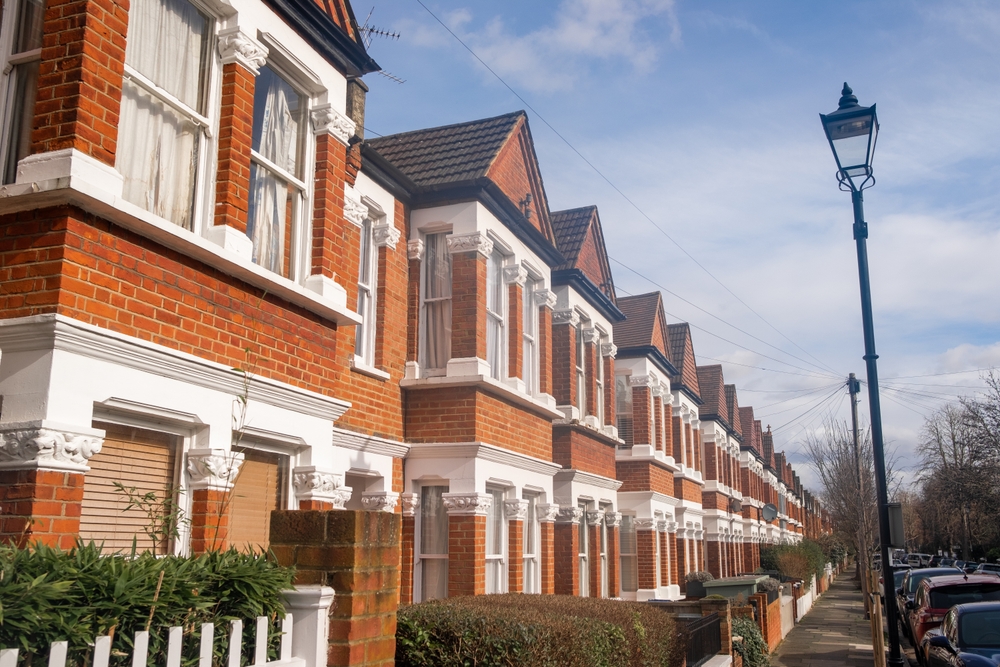
Have you seen the term ‘maisonette’ in property listings and wondered what it means? This French word translates as “small house”, and these properties offer something different from standard flats or houses.
Understanding what a maisonette is could open up new options when house hunting. The maisonette flat meaning refers to a self-contained home spread across two levels, combining features of both flats and houses in one property.
Related: Buying vs renting: What’s the difference?
Understanding maisonettes: What they are and how they work
What maisonette means in UK property terms is a self-contained home within a larger building, typically arranged over two floors with its own private entrance opening directly to the street.
The defining feature of a maisonette flat is avate entrance. Unlike standard flats, where you enter through shared hallways and communal areas, a maisonette gives you your own front door with direct external access. This creates a more independent, house-like feel.
Inside, you’ll find an internal staircase connecting the two levels. Living spaces and bedrooms sit on separate floors, providing natural separation between different areas of your home.
You’ll find maisonettes in various settings: converted period properties with historic features, above shops in town centres, or in purpose-built blocks designed specifically as maisonettes.
Related: Everything you need to know about buying a bungalow
Types of maisonettes you can buy
Not all maisonettes are the same. Understanding the different types helps you know what to expect.
Ground floor maisonette
A ground floor maisonette occupies the lower levels of a building. These typically include direct access to a private garden or patio, a major advantage over standard flats.
You won’t need to climb stairs to reach your front door, making them suitable for buyers with mobility considerations. Ground floor access also makes moving furniture easier.
Split level maisonette
A split-level maisonette has living space divided between two floors, typically with bedrooms upstairs and living areas downstairs. This layout separates sleeping and living zones effectively.
Split-level designs make the most of vertical space. You get bedrooms and bathrooms on the upper level, with the kitchen and living spaces below.
Purpose built maisonette
A purpose-built maisonette was designed and constructed specifically as a maisonette from the start, rather than converted from an existing building.
These properties often appear in blocks built during housing developments, designed with consistent layouts and modern building standards.
Related: How technology is reshaping the property market
Maisonette vs Flat: Which is best?
People often ask about the difference between a maisonette and a flat. Both are properties within larger buildings, but there are important distinctions.
Entrance and access
The main difference between a maisonette and a flat is how you enter the property. A maisonette flat has its own front door opening directly outside. A standard flat requires you to enter through a shared entrance and communal hallway.
This private entrance gives maisonettes more independence. You control your own security, receive deliveries directly, and avoid communal areas altogether.
Space and layout
Maisonettes typically offer two-storey living with an internal staircase. Standard flats usually occupy a single floor.
The split-level nature of a maisonette vs a flat creates natural separation between living and sleeping areas. Many maisonettes include outdoor space like a garden or balcony, while flats might only offer communal areas.
Ownership considerations
Whether it’s a freehold maisonette or leasehold maisonette affects your responsibilities and costs.
A leasehold maisonette means you own the property for the lease duration and pay ground rent to the freeholder. A freehold maisonette gives you ownership of your portion of the building.
Related: What is a shared equity mortgage?
Maisonette vs House: Which is best?
Understanding the difference between a maisonette and a house helps you decide which property type suits your needs.
Size and space
A maisonette house comparison shows clear size differences. Maisonettes typically offer one or two bedrooms, while houses often provide three or more bedrooms plus loft space.
For growing families needing multiple bedrooms, houses offer more room. For couples or small families, maisonettes provide adequate space at lower costs.
Cost and affordability
When comparing maisonette vs house prices, maisonettes are typically more affordable. You’ll pay less upfront and face lower ongoing maintenance costs.
Houses require maintaining everything from roof to foundations yourself. With maisonettes, responsibility is often shared between units.
A maisonette with garden can offer outdoor space without the extensive upkeep of a house garden.
Flexibility and expansion
Houses offer more flexibility for extensions. Maisonettes face restrictions, particularly leasehold properties requiring freeholder permission.
Most maisonettes don’t have Permitted Development Rights, meaning extensions need planning permission and are often impractical.
Related: Help for First Time Buyers
Is a maisonette right for you?
Maisonettes work well for specific buyers.
First-time buyers benefit from lower purchase prices compared to houses while getting more space than standard flats. The private entrance and outdoor space make maisonettes feel like a proper home.
Young professionals appreciate the house-like layout without house-level costs. Split-level living provides separation between work and relaxation spaces.
Downsizers moving from larger houses find maisonettes offer manageable space with less maintenance. You keep outdoor access without extensive garden upkeep.
Consider potential drawbacks. Noise from neighbouring properties can be an issue, particularly in conversions. Visit at different times to assess noise levels.
Properties above shops might experience smells from businesses below. Shared maintenance responsibilities require cooperation with other occupants.
When you’re ready to start viewing properties or want to understand what’s available in your area, your local Whitegates branch can walk you through your options and answer any questions you have.